

Richmond's Natural History
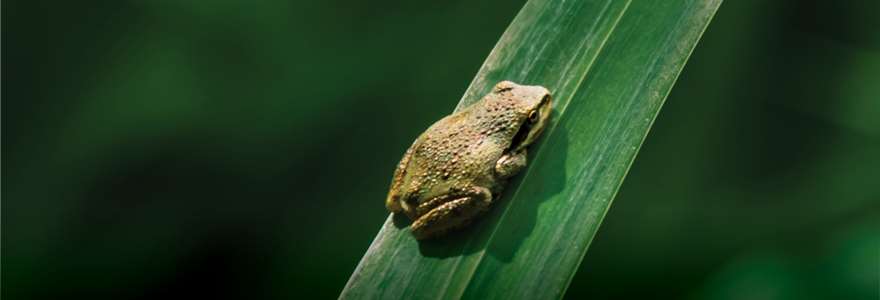 Discover the unique landscapes, ecosystems and wildlife that make Richmond one of Canada's most ecologically significant municipalities.
Richmond's location within the Fraser River estuary has shaped a diverse landscape of shorelines, marshes, watercourses, agricultural lands and urban green spaces. These interconnected ecosystems support hundreds of species of plants and animals while providing important ecological services such as flood resilience, water quality improvement and climate adaptation.
In the Water
In the cloudy waters of the Fraser River conceal a diverse and significant aquatic habitat. The inhabitants of our waters include invertebrates, all five species of salmon, the mighty white sturgeon, and large mammals like the harbour seal and California / Steller’s sea lion.
In the Sky
The Fraser River estuary provides essential resting areas for migratory birds on the Pacific Flyway and supports the largest overwintering population of birds in all of Canada. Richmond’s broad open terrain and extensive foreshore make it an ideal hunting ground for numerous species of raptors and wading birds, like the iconic great blue heron.
On the Land
Wetlands, sloughs, bogs and grassland dominate much of the City’s terrestrial habitat. These areas have significant habitat value and are home to plants and animals found nowhere else. Although dramatic human-induced changes have occurred over the recent past, remnants of these habitats provide insights into the intricacy and importance of Richmond's ecological network.
Related Information
- Ecological Network – learn how Richmond’ natural areas are connected and protected
- Fish, Habitat & Wildlife – information on protecting fish, wildlife and aquatic habitats
- Invasive Species – learn about priority invasive species and the City’s management programs
- Community Stewardship – discover ways to get involved in protecting Richmond’s natural environment